Healthy Sleep Rules: Mastering Healthy Night Sleep for Better Well-Being
Getting a good night's sleep is essential for physical and mental health. But in today’s fast-paced world, many people struggle with insomnia, poor sleep quality, and irregular sleep patterns. The Healthy Sleep Rules and Healthy Night Sleep approach offer practical strategies to help you achieve restful, uninterrupted sleep. Whether you're a busy professional, a creator, or someone looking to improve your daily life, understanding these rules can make a significant difference.
What Are Healthy Sleep Rules and Healthy Night Sleep?
Healthy Sleep Rules are a set of guidelines designed to promote consistent, high-quality sleep. These rules are based on scientific research and real-world experiences that highlight the importance of sleep hygiene. Healthy Night Sleep refers to the state of sleeping deeply and waking up refreshed. Together, they form a comprehensive framework for improving your sleep habits.
The core principles of Healthy Sleep Rules include maintaining a regular sleep schedule, creating a comfortable sleep environment, avoiding stimulants before bedtime, and practicing relaxation techniques. These rules are not rigid; rather, they are adaptable to individual lifestyles and needs.
Why Healthy Night Sleep Matters
Sleep is more than just a time to rest—it's a critical process that allows your body and mind to recover. Poor sleep can lead to fatigue, reduced concentration, weakened immunity, and even long-term health issues like heart disease and diabetes. Healthy Night Sleep ensures that your body has the opportunity to repair itself and function at its best.
When you follow Healthy Sleep Rules, you’re not only improving your sleep but also enhancing your overall quality of life. A well-rested person is more productive, emotionally balanced, and physically resilient. This makes Healthy Night Sleep a valuable tool for anyone seeking better health and performance.
Key Features of Healthy Sleep Rules
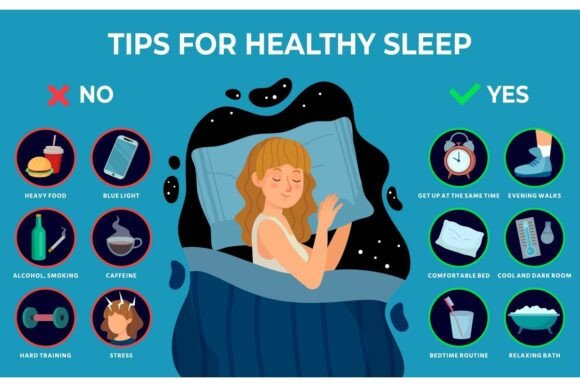
- Consistency: Going to bed and waking up at the same time every day helps regulate your body’s internal clock.
- Environment: A dark, quiet, and cool bedroom promotes deeper sleep.
- Limit Stimulants: Avoiding caffeine, nicotine, and alcohol before bedtime can prevent sleep disturbances.
- Relaxation Techniques: Practices like meditation, deep breathing, or reading can signal to your body that it's time to wind down.
- Screen Time: Reducing exposure to electronic devices before bed minimizes blue light interference with melatonin production.
How to Apply Healthy Sleep Rules in Daily Life
Implementing Healthy Sleep Rules doesn’t require drastic changes. Start by making small adjustments that align with your lifestyle. For example, if you work late hours, try to maintain a consistent wake-up time even on weekends. If you find it hard to fall asleep, consider incorporating a pre-sleep routine such as a warm bath or a short walk.
Creating a sleep-friendly environment is another key step. Use blackout curtains, invest in a supportive mattress, and keep your bedroom free from clutter. Additionally, avoid heavy meals and intense workouts close to bedtime. Instead, focus on gentle activities that promote relaxation.
Real-World Applications of Healthy Night Sleep
Many professionals and creatives have benefited from Healthy Night Sleep. For instance, a business owner who used to work late into the night found that following Healthy Sleep Rules improved their energy levels and decision-making abilities. Similarly, a writer struggling with insomnia discovered that establishing a bedtime ritual helped them fall asleep faster and wake up more refreshed.
Students, athletes, and caregivers also find Healthy Night Sleep beneficial. Students report better concentration and memory retention when they prioritize sleep, while athletes experience improved recovery and performance. Caregivers, who often face irregular schedules, can use Healthy Sleep Rules to manage their sleep more effectively.
Strengths and Considerations of Healthy Sleep Rules
Healthy Sleep Rules are effective because they are grounded in science and adaptable to different lifestyles. They provide a clear roadmap for improving sleep without requiring extreme measures. However, it's important to recognize that individual needs may vary. What works for one person might not work for another.
Some people may find it challenging to adjust their routines, especially if they have irregular work hours or medical conditions that affect sleep. In such cases, consulting a healthcare professional or sleep specialist may be necessary. It's also crucial to maintain realistic expectations—improving sleep is a gradual process that requires patience and consistency.
Common Misconceptions About Healthy Night Sleep
There are several myths surrounding sleep that can hinder Healthy Night Sleep. One common misconception is that you can “catch up” on sleep during the weekend. While extra sleep can help, it’s not a substitute for consistent, quality rest. Another myth is that watching TV or using your phone before bed is harmless. In reality, the blue light emitted by screens can disrupt your natural sleep cycle.
Additionally, some people believe that drinking alcohol helps them sleep better. While it may cause drowsiness, it often leads to fragmented sleep and poor quality. Understanding these misconceptions can help you make informed decisions about your sleep habits.
Conclusion: Embrace Healthy Sleep Rules for a Better Life
Adopting Healthy Sleep Rules and prioritizing Healthy Night Sleep can transform your daily life. By making small, sustainable changes, you can improve your physical health, mental clarity, and emotional well-being. Whether you're a professional, a student, or someone simply looking to feel better, these rules offer a practical path to better sleep.
Remember, the goal is not perfection but progress. Start by implementing one or two rules at a time, and gradually build a sleep routine that works for you. With dedication and awareness, you can unlock the full potential of Healthy Night Sleep and enjoy the benefits of restful, rejuvenating sleep every night.