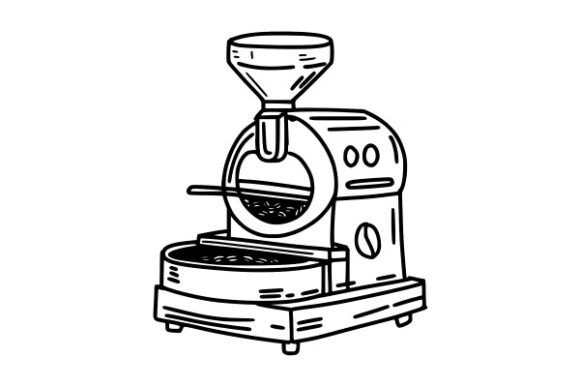
Roasting Machine: A Versatile Design Asset for Creative Professionals
In the world of design, having access to high-quality visual elements can make a significant difference in the effectiveness and appeal of a project. One such asset that has gained attention among designers, marketers, and content creators is the Roasting Machine illustration. This graphic offers a unique blend of style and functionality, making it a valuable addition to a wide range of creative endeavors.
Understanding What Makes Roasting Machine Unique
The Roasting Machine illustration stands out due to its distinctive aesthetic and practical application. Unlike generic stock images, this design is crafted with a specific purpose in mind—offering a visually engaging element that can be adapted across multiple platforms. Its clean lines, modern styling, and thematic relevance provide a fresh alternative to more conventional graphics.
What sets Roasting Machine apart is its versatility. Whether used in print, digital media, or as part of a larger design system, the illustration maintains its clarity and impact. This adaptability makes it suitable for various industries, from food and beverage branding to tech and lifestyle marketing.
Comparing Roasting Machine to Similar Options
When evaluating design assets, it's essential to consider how they stack up against other available options. While there are numerous stock image libraries and graphic design tools on the market, Roasting Machine offers a more tailored approach. It is not just a generic image but a carefully designed piece that can integrate seamlessly into different visual styles.
Traditional stock images often come with limitations, such as overuse, lack of customization, or poor resolution. In contrast, Roasting Machine provides a more refined and adaptable solution. Its vector-based format ensures scalability without loss of quality, which is particularly beneficial for projects requiring high-resolution outputs.
For those working with professional design software, the availability of EPS files adds another layer of utility. This format is widely supported by industry-standard tools, allowing for greater flexibility in editing and refinement. Meanwhile, the JPG and PNG formats cater to everyday use, offering high-resolution images that are easy to incorporate into web or social media content.
Strengths and Tradeoffs of Using Roasting Machine
The primary strength of Roasting Machine lies in its balance between artistic expression and technical precision. The illustration is not only visually appealing but also structured in a way that supports various design workflows. This makes it an ideal choice for professionals who need a reliable and consistent visual element.
However, like any design asset, Roasting Machine may not be the best fit for every project. Its specific style might not align with all creative directions, especially those requiring a more abstract or minimalistic approach. Additionally, while the illustration is highly versatile, it may require some adaptation to fully integrate into certain design systems.
Another consideration is the level of customization. While the provided formats allow for basic edits, advanced modifications may require additional design work. For users looking for complete control over every detail, this could be a limitation compared to custom-designed graphics.
Best Fit Situations for Roasting Machine
Roasting Machine is particularly well-suited for projects that benefit from a cohesive and modern visual language. It works well in contexts where a clear, recognizable icon or graphic is needed, such as in infographics, promotional materials, or digital presentations. Its ability to maintain quality at different sizes also makes it ideal for both large-scale print and small-screen applications.
For example, a coffee shop looking to create a series of branded materials might find Roasting Machine useful as a recurring visual element. Similarly, a marketing campaign focused on food-related products could leverage the illustration to reinforce brand identity and messaging.
Additionally, the transparent PNG format allows for easy integration into overlays, layered designs, or digital compositions. This makes it a practical choice for designers who need quick and flexible assets for their projects.
When Other Options Might Be More Suitable
While Roasting Machine is a strong option, there are scenarios where alternative design assets may be more appropriate. For instance, if a project requires a highly specialized or niche visual style, a custom illustration or a more unique stock graphic might be better suited. Similarly, for projects that demand a completely original concept, relying on pre-made assets may not be the best approach.
Users who prefer a more minimalist or abstract design language may also find that Roasting Machine does not align with their aesthetic preferences. In such cases, exploring other design resources or commissioning a custom illustration could yield more satisfying results.
Furthermore, for those working within tight deadlines or with limited design experience, the need to adapt and integrate the illustration may present a challenge. In these situations, simpler or more universally applicable graphics might be more efficient to use.
Practical Considerations for Designers and Creators
When deciding whether to incorporate Roasting Machine into a project, it's important to assess the specific needs of the work. Factors such as the intended audience, platform, and overall design goals should all influence the decision. Testing the illustration in different contexts can help determine its effectiveness and compatibility.
Additionally, understanding the file formats provided is crucial. SVG files offer the most flexibility for scaling and editing, while JPG and PNG formats are more straightforward for general use. EPS files, though less commonly used in web design, are valuable for print and professional applications.
For those new to working with vector graphics, familiarizing oneself with the capabilities and limitations of each format can enhance the overall workflow. This knowledge ensures that the chosen design assets are used to their full potential.
Conclusion: Making an Informed Choice
The Roasting Machine illustration presents a compelling option for designers, marketers, and content creators seeking a high-quality, adaptable visual asset. Its combination of style, functionality, and technical support makes it a valuable resource in a variety of creative projects.
However, as with any design tool or resource, the decision to use Roasting Machine should be based on a careful evaluation of its strengths, limitations, and suitability for the intended purpose. By considering factors such as design direction, project requirements, and personal preferences, users can make a more informed choice about whether this asset aligns with their creative goals.